
Specialist coordination for batteries, chemicals and regulated cargo
Battery and chemical shipments require correct classification, documentation, packing and carrier acceptance. EPSYLOG coordinates suitable transport and handling solutions for regulated cargo from China, with each shipment reviewed according to its actual product and route.
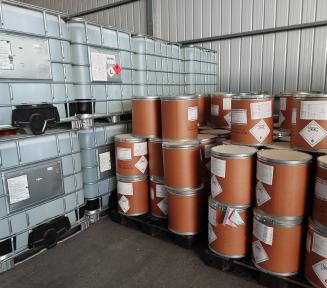
Regulated cargo we coordinate
Cargo expertise
EPSYLOG handles dangerous goods across Classes 2 to 9, including batteries, mining chemicals, agricultural chemicals, plastics-industry products, gases and liquids in cylinders or ISO tanks, flexibag operations and DG/FAK consolidation.
New-energy cargo
EPSYLOG also supports lithium batteries, electronics and containerised energy-storage systems, alongside electric vehicles and other new-energy equipment. Transport options depend on product classification, state of charge, packing, documentation and carrier or operator rules.
A compliance-first process
Confirm exact commodity and HS code
Review SDS/MSDS and dangerous-goods classification
Confirm UN number, packing group and battery test documentation where applicable
Check packaging, marks and labels
Verify carrier, airline, vessel, road or rail acceptance
Coordinate inspection, warehouse and loading requirements
Prepare transport documentation with relevant parties
No one-size-fits-all dangerous-goods solution
Acceptance rules can vary by carrier, route and jurisdiction. EPSYLOG therefore assesses each shipment individually before confirming routing, equipment or timing.
Frequently asked questions about dangerous goods shipping from China
Can EPSYLOG ship lithium batteries from China?
Lithium batteries and battery logistics are among EPSYLOG’s specialist capabilities. Acceptance depends on battery type, classification, packaging, documentation, route and carrier requirements.
Does EPSYLOG handle chemicals?
Yes. EPSYLOG provides specialist handling for several chemical and dangerous-goods categories. Exact acceptance must be checked against the product documentation and route.
What documents are required to export dangerous goods from China?
The documentation depends on the cargo’s classification and shipping method. Common requirements may include a commercial invoice, packing list, Safety Data Sheet (SDS/MSDS), UN number and hazard classification, dangerous goods transport declaration and relevant packaging certification.
For regulated hazardous chemicals exported from China, additional customs inspection documents may include a manufacturer’s compliance declaration, hazard classification report and applicable packaging performance or use-inspection certificates. EPSYLOG can help review the documentation requirements before transportation is arranged.
What is the difference between an MSDS, SDS and Dangerous Goods Declaration?
An SDS (Safety Data Sheet), traditionally called an MSDS, provides information about a product’s hazards, handling, storage and safety precautions. A Dangerous Goods Declaration (DGD) is a transport-specific document used to declare regulated cargo to the carrier.
An SDS does not replace a required Dangerous Goods Declaration or other transport documentation. The exact documents depend on the commodity and transport mode.
Can lithium batteries be shipped from China by air or sea?
Yes, when the relevant regulations permit transportation and the shipment meets applicable requirements. Conditions depend on battery chemistry, capacity, configuration, packaging and transport mode; batteries shipped separately may be subject to different rules from batteries packed with or installed in equipment.
Air transport is particularly restrictive, and certain battery shipments are prohibited or require cargo-aircraft-only arrangements. EPSYLOG can help assess suitable options based on the battery specifications and available carrier services.
Can solar batteries and Battery Energy Storage Systems (BESS) be shipped from China?
Shipping solutions may be available depending on technical characteristics and regulatory classification. Large battery systems may require specialised packaging, handling procedures, equipment assessments and carrier approvals. EPSYLOG can coordinate freight enquiries subject to technical review, regulatory requirements and transport-provider acceptance.
Can dangerous goods be shipped by air freight from China?
Certain dangerous goods can be transported by air when properly classified, packed, marked, labelled, documented and accepted by the airline, in compliance with ICAO Technical Instructions, IATA Dangerous Goods Regulations and relevant national and operator requirements. Some dangerous goods are prohibited by air, while others may only be permitted on cargo aircraft.
Can chemicals, paints, aerosols and flammable liquids be shipped by sea from China?
Certain products can be shipped by sea under the International Maritime Dangerous Goods (IMDG) Code. Arrangements depend on classification, packaging, required segregation, container or vessel suitability, and port and shipping-line acceptance. EPSYLOG can review the cargo information and coordinate with maritime providers to assess feasible solutions.
How much does it cost to ship dangerous goods from China?
Costs depend on product classification, quantity, packaging, origin, destination, transport mode and carrier requirements. Additional costs may include DG surcharges, specialised trucking, compliant packaging, inspections, documentation, terminal handling or approved storage. Contact EPSYLOG with your cargo details for a quotation.
Can EPSYLOG coordinate dangerous goods shipping from China to Africa?
EPSYLOG can review DG freight enquiries from China to African destinations and assess suitable solutions with relevant partners, including documentation coordination, freight booking and origin and destination handling, depending on the product and agreed scope. All shipments remain subject to export and import regulations, qualified provider availability and carrier acceptance.
Request a dangerous-goods assessment
Send us the SDS/MSDS, UN number and route — we will assess acceptance before booking.